


If your boiler has started making banging, rumbling or whistling sounds that remind you of a kettle boiling, you are not imagining it. This is a common issue known as kettling, and it is something we get asked about regularly when carrying out boiler servicing and repairs. It can be worrying to hear strange noises coming from the cupboard, especially in the middle of winter, but in most cases it is fixable.
In this guide, we will explain what boiler kettling actually is, why it happens, what signs to look out for and what you can do about it. If you live in Essex, Haverhill or Dunmow and are noticing these symptoms, this will help you understand what might be going on before you pick up the phone.
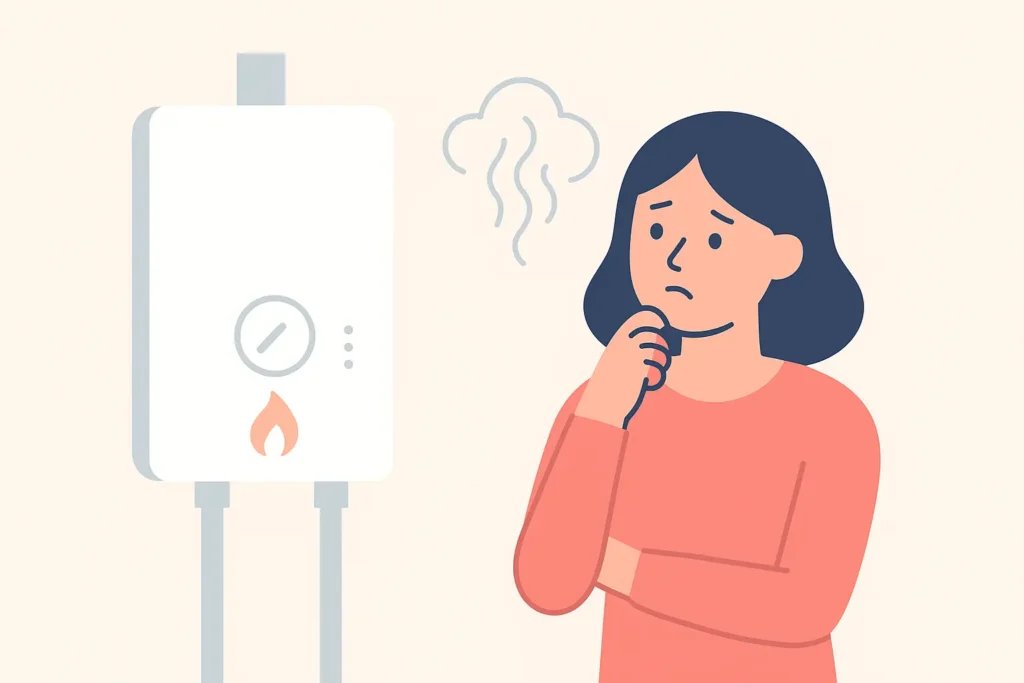
What Is Boiler Kettling and Why It Happens
Kettling happens when limescale, sludge or other debris builds up inside your boiler’s heat exchanger. The heat exchanger is the part that transfers heat from the gas burner to the water that runs through your radiators and taps.
Over time, especially in hard water areas across parts of Essex, minerals in the water settle and harden. This build-up restricts the flow of water through the heat exchanger. When that water gets trapped and overheats, it starts to steam and bubble, creating that familiar kettling sound.
Think of it like a saucepan with a thin layer of chalky residue at the bottom. The heat cannot spread evenly, so certain spots get far hotter than they should. The same thing happens inside your boiler.
We often see this in older systems in places like Haverhill and Dunmow, particularly where the boiler has not been serviced regularly or the system was never properly flushed when installed.
Common Signs Your Boiler Is Kettling
The most obvious sign is noise. Customers usually describe it as:
- Banging or knocking
- A rumbling sound
- Whistling, like a kettle coming to the boil
- Vibrating pipes
But there are other clues too. Your radiators may take longer to heat up. Some might stay cooler at the bottom. You could also notice your boiler switching on and off more frequently. This is known as short cycling and it is not great for efficiency.
In more advanced cases, you might see fault codes on the display or find that your heating cuts out altogether. Modern boilers, including many Worcester models, are designed to shut down if they detect overheating.
If you are in Essex and your boiler sits in a kitchen cupboard, you will often hear kettling more clearly late at night when the house is quiet. It is one of those issues that becomes impossible to ignore once you have noticed it.
How to Fix Boiler Kettling Issues
The right fix depends on the cause and how severe the build-up is.
Powerflushing or Chemical Flushing
If sludge or debris is circulating around your heating system, a powerflush may be recommended. This involves flushing cleaning chemicals through the system at high velocity to remove build-up.
For milder cases, a chemical flush without full powerflushing can sometimes solve the problem. This is something we normally assess during a service visit after checking system pressure and temperature differences across the radiators.
Replacing the Heat Exchanger
If limescale has heavily coated the heat exchanger, especially in older boilers, replacement may be the only reliable option. In some cases, if the boiler is already over ten years old, it can make more financial sense to look at boiler installations instead of replacing major components.
Checking System Components
Sometimes kettling is linked to blocked pipework, a stuck pump or restricted valves. We occasionally find magnetic filters completely clogged because they have not been cleaned during annual servicing. Clearing these can significantly improve flow and reduce noise.
What we would not recommend is ignoring it. Kettling increases strain on your boiler. Over time it can cause overheating, higher gas bills and premature breakdown.
How to Prevent Kettling and Protect Your Boiler
Prevention is always better than repair, especially with heating systems.
- Book annual servicing to catch early signs of sludge or scale
- Fit a magnetic filter to trap debris before it enters the boiler
- Use a scale reducer in hard water areas
- Make sure the system is properly flushed when a new boiler is installed
During a routine service, we check for temperature differences between the flow and return pipes, inspect the heat exchanger where possible and test water quality. These small checks can prevent much bigger problems down the line.
It is also worth bleeding your radiators occasionally and keeping an eye on system pressure. If pressure keeps dropping or rising unexpectedly, that is something to have checked sooner rather than later.
Kettling does not usually mean your boiler is about to fail, but it is a clear sign that something inside the system needs attention. The earlier it is dealt with, the simpler and cheaper the fix tends to be.
If you are hearing unusual boiler noises in Essex, it is always better to have it looked at properly rather than waiting for a full breakdown. At Harpers Heating & Plumbing, we deal with kettling issues every year and can quickly tell whether it is a simple clean-up job or something more involved.
Contact us today to arrange your boiler service or heating repairs.